What Is Affiliate Marketing and How Does It Work? A Beginner's Guide
Two years ago, if you'd asked me what affiliate marketing was, I wouldn't have been able to give you a proper answer.
I knew people were making money online, but I didn't really understand how.
Were they selling their own products? Did they need thousands of followers? Were they spending their days creating videos for Instagram?
I had absolutely no idea.
Fast forward two years, and affiliate marketing is the business model I've used to build my own online business.
And one of the things I've learnt is that it's actually a fairly straightforward concept.
That doesn't mean building a successful affiliate marketing business is easy. There's a lot to learn, and it takes work.
But understanding how the business model operates is a good place to start.
So, if you're wondering what affiliate marketing is, how people earn commissions and whether it's something you could explore alongside your existing life, here's what you need to know.
What Is Affiliate Marketing?
Affiliate marketing is a way of earning commission by recommending another company's products or services.
Rather than creating your own product, you form a partnership with a business that already has something to sell.
When someone purchases through your unique referral link or another agreed tracking method, you may earn a commission.
The company handles the product itself, while you focus on marketing and introducing potential customers to it.
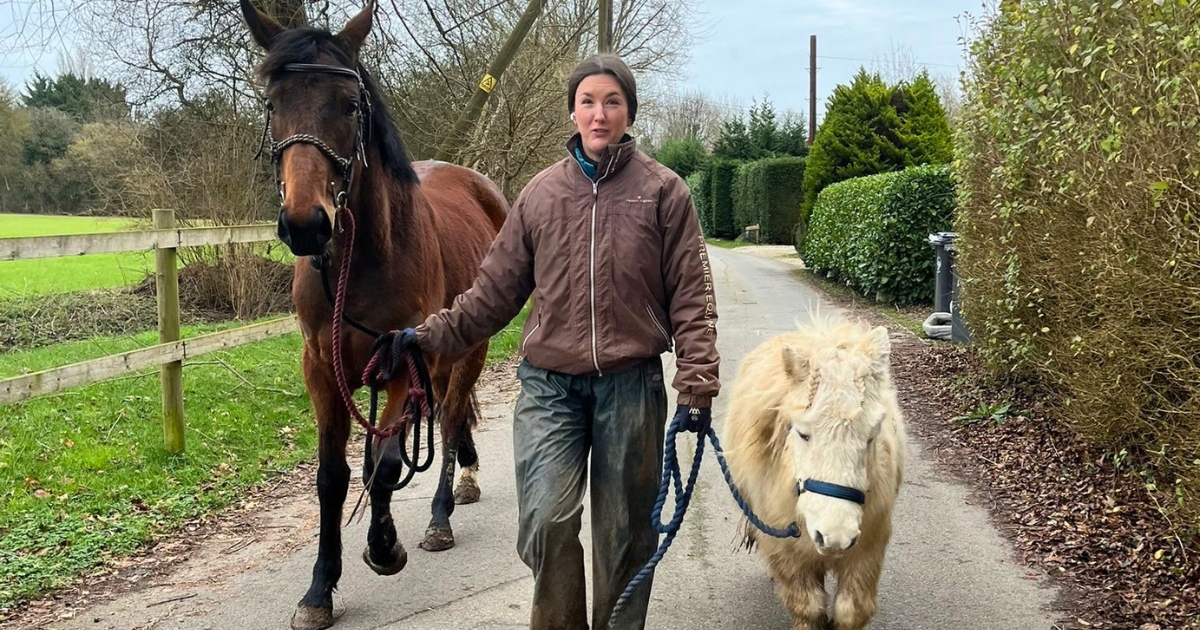
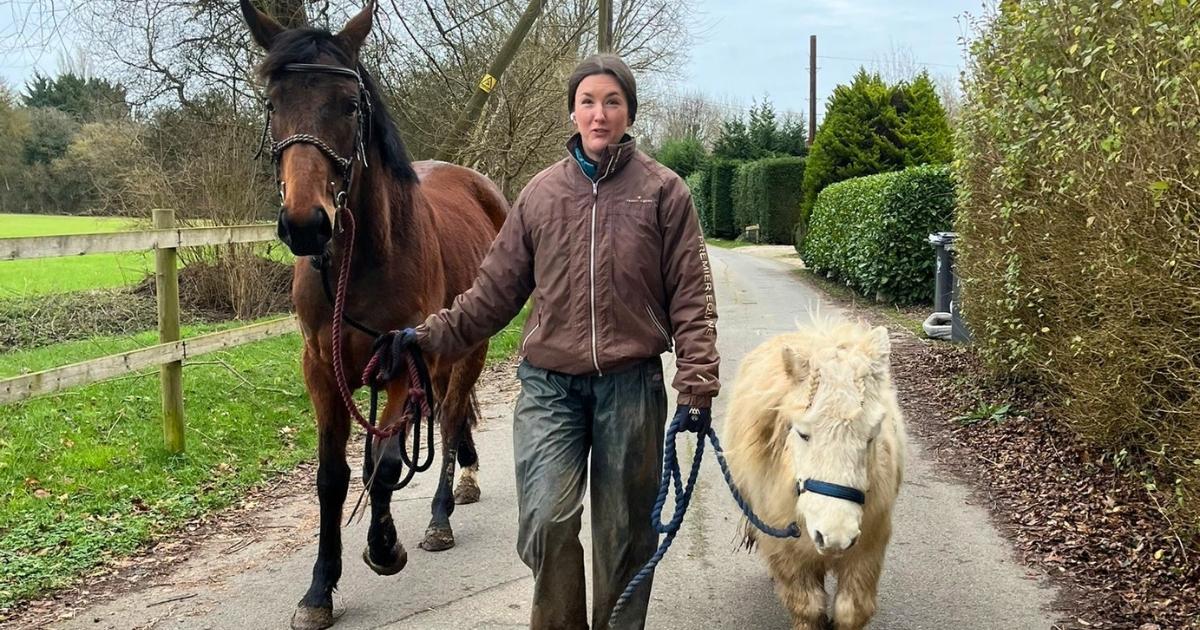
For example, imagine you run an Instagram account about horses.
You might become an affiliate for an equestrian brand and recommend a rug, grooming product or piece of equipment you genuinely use.
If someone purchases through your affiliate link, you could earn a percentage of that sale.
That's affiliate marketing.
The same basic principle applies across industries, from clothing and technology to education, software and health and wellness products.
How Does Affiliate Marketing Work?
There are usually four parts to the process.
1. You Choose a Company or Product
You start by researching businesses that offer affiliate partnerships.
Ideally, you choose a product or service that you understand, believe in and feel comfortable recommending.
It's important to look beyond the commission and consider the company's reputation, product quality, customer service and affiliate terms.
2. You Join an Affiliate Programme
If you're accepted, the company explains how its programme works.
Some programmes provide a unique affiliate link. Others use referral codes or more involved tracking systems.
You'll also need to understand the commission structure, payment terms and any rules about how you can promote the product.
3. You Learn How to Market the Product
This is where the actual business-building skills come in.
You need to learn how to reach people who might genuinely benefit from the product.
That could involve:
Creating useful social media content.
Writing blog posts that answer people's questions.
Learning digital advertising.
Building a website or landing page.
Developing email marketing systems.
Having conversations with interested customers.
You don't need to use every marketing method.
But you do need a way of reaching the right audience and helping them make informed decisions.
4. You Earn Commission on Qualifying Sales
If someone makes a qualifying purchase through your referral, the affiliate programme may pay you a commission.
The amount depends on the company, the product and the terms of the agreement.
Some programmes pay a small percentage of a sale. Others offer a fixed amount.
It's worth understanding that not every click, enquiry or conversation results in a sale.
And not every sale necessarily qualifies for commission.
What's the Difference Between Affiliate Marketing and High-Ticket Affiliate Marketing?
This is one of the questions I get asked most often.
Affiliate marketing covers a huge range of products and commission structures.
With lower-priced products, you might earn a relatively small amount per sale.
For example, if a product costs £50 and the commission rate is 10%, you'd earn £5 from a qualifying sale.
To generate £1,000 in commission at that rate, you'd need 200 qualifying sales.
High-ticket affiliate marketing generally involves promoting higher-value products or services that can pay larger commissions per sale.
For example, a qualifying sale might generate a commission of several hundred pounds or more, depending on the programme.
The attraction is that you may not need as many sales to reach a particular commission total.
But there's another side to that.
Higher-value products often involve longer decision-making processes. Customers may need more information, reassurance and time before purchasing.
There may also be greater costs or requirements associated with joining certain programmes.
Higher commission does not automatically mean easier money.
It's still a business that requires marketing skills, customer understanding and consistent effort.
Why I Chose High-Ticket Affiliate Marketing
When I started looking at ways to build an online income, I wasn't interested in creating another job for myself.
I already knew what it felt like to spend most of the week working, then try to fit everything I actually enjoyed into the weekend.
The horses, the dogs, family life and all the everyday things that don't conveniently fit around traditional working hours.
I wanted to explore something I could build around those commitments.
High-ticket affiliate marketing appealed to me because I didn't need to develop my own physical product, hold stock or organise deliveries.
Instead, I could focus on learning digital marketing and building systems that helped me reach potential customers.
That didn't mean there was no work involved.
I had to learn how to create content, understand advertising, build funnels, follow up with enquiries and communicate properly with people.
And I still work on those skills today.
But I liked the idea of building a business where I could have more control over my working hours and location.
Do You Need a Large Social Media Following?
No. You don't necessarily need thousands of followers to get started.
A large audience can help you reach more people, but follower numbers alone don't determine whether a business succeeds.
What matters more is whether you're reaching people who are genuinely interested in what you're sharing.
Someone with a smaller, engaged audience can sometimes generate better-quality enquiries than someone with thousands of followers who aren't interested in the product.
You can also use methods outside social media, including search engines, blog content, email marketing and paid advertising.
Personally, I've learnt that understanding your audience and having a clear marketing process matters far more than simply trying to go viral.
Do You Have to Show Your Face on Instagram?
Not necessarily.
There are affiliate marketing businesses built around websites, blogs, comparison content, email lists and other marketing channels.
However, the approach you choose needs to fit the product and the way customers make purchasing decisions.
For my own business, sharing my experiences and building a personal brand has been an important part of connecting with the women I want to help.
I talk about countryside life, horses, dogs, family and the reasons I wanted to build something different.
Not because everyone needs to copy my life.
But because people connect with people, and I want my audience to understand who they're learning from.
Is Affiliate Marketing the Same as a Pyramid Scheme?
No. Affiliate marketing itself is a legitimate marketing arrangement used by many established companies.
In a standard affiliate programme, commissions are linked to qualifying sales or other agreed customer actions.
An illegal pyramid scheme, by contrast, typically depends primarily on recruiting new participants rather than genuine sales of products or services to customers.
Some programmes also use multi-level compensation structures, which need to be assessed based on how they actually operate.
Before joining any opportunity, research how commissions are earned, whether there is genuine customer demand, what costs are involved and whether income depends primarily on recruiting participants.
A legitimate product alone doesn't automatically establish that every compensation arrangement is lawful.
You should be able to ask questions and understand exactly how the business works before committing any money.
How Much Money Can You Make With Affiliate Marketing?
There isn't a single answer.
Commission rates vary enormously, and so do individual results.
Some people earn occasional small commissions. Others build businesses that generate more substantial income.
Many people also earn little or nothing, particularly while learning or if their marketing doesn't generate sales.
Your results will depend on factors such as:
The products and affiliate programme you choose.
Customer demand.
Your marketing skills.
The quality of your enquiries.
Your costs and available time.
How consistently you develop and improve your business.
It's also important to distinguish between commission earned and actual profit after expenses and taxes.
I've personally reached a stage where I can earn over £4,000 commission from a qualifying sale through my affiliate partnership.
But that's a reflection of my own progression over two years, not a typical or guaranteed result for someone starting out.
It took learning, investment, trial and error, and plenty of work behind the scenes.
I would never suggest that someone could expect to earn that amount simply by joining an affiliate programme.
Can You Start Affiliate Marketing Alongside a Full-Time Job?
Yes, depending on the programme and the time you have available.
In fact, keeping your existing income while exploring a new business can be a sensible approach.
You don't need to hand in your notice or suddenly find eight spare hours every day.
But you do need to be realistic about the work involved.
If you're juggling a job, school runs, horses, dogs and everything else, your available time might be limited.
That means choosing priorities and learning how to use your time effectively.
I'd rather see someone build consistently around their actual commitments than try to follow an unrealistic routine that lasts a week.
What Are the Costs of Starting Affiliate Marketing?
Some affiliate programmes are free to join.
Others may involve product purchases, training, software subscriptions, advertising costs or other financial commitments.
The costs can vary significantly.
Before joining a programme, make sure you understand:
Whether there's an upfront investment.
Whether any purchases or fees are required to participate or qualify for commissions.
What ongoing expenses you may have.
How and when commissions are paid.
Whether refunds or cancellations affect your commission.
What training and support are included.
You should also consider whether you can comfortably afford any costs without relying on future commission to cover them.
How to Get Started With Affiliate Marketing
If you're considering affiliate marketing, here's where I'd begin.
Step 1: Understand the Business Model
Learn how affiliate programmes work, where commissions come from and what your responsibilities would be.
Don't rush into joining something you don't understand.
Step 2: Research Potential Partnerships
Look at product quality, customer demand, company reputation, commission terms and any financial commitments.
Consider whether you would feel comfortable recommending the product to someone you know.
Step 3: Decide Who You Want to Help
Good marketing starts with understanding your audience.
What problems are they trying to solve? What questions do they have? What information would help them make a decision?
Step 4: Develop Your Marketing Skills
Learn the fundamentals of content creation, digital marketing, lead generation and customer communication.
You don't need to master everything immediately.
Start with one skill and build from there.
Step 5: Create a Realistic Plan
Decide how much time you can commit, what you're prepared to spend and how you'll measure progress.
Treat it like a business rather than a quick way to make money.
Is Affiliate Marketing Right for Everyone?
No, and I think that's important to say.
If you want a guaranteed monthly salary, don't enjoy learning new skills or aren't comfortable with the uncertainty of running a business, affiliate marketing might not be the right fit.
If you enjoy marketing, are willing to learn and like the idea of building something independently, it may be worth researching.
The key is finding a business model that suits your circumstances, interests and goals.
For me, the goal was never simply to work from home.
It was to create more choice over how I spent my time.
More opportunities to enjoy the life I'd already worked hard to build, rather than constantly rushing through it.
That's still what motivates me.
Want to See How I Built My Affiliate Marketing Business?
If you've read this far and you're curious about the business model I use, I've created a free 20-minute webclass.
In it, I explain how I got started, how my affiliate partnership works and the skills I've learnt while building my business.
It's an opportunity to understand the model in more detail and decide whether it's something you'd like to explore.
Watch my free webclass to learn more about starting an online business through affiliate marketing.
Kate Foks-Taylor
Online Business Mentor