How to Start an Online Business From Home (Even With No Experience)
Two years ago, I didn't know how to build an online business.
I didn't understand sales funnels, digital marketing, online advertising or how people were actually generating income through the internet.
What I did know was that I wanted more control over my time.
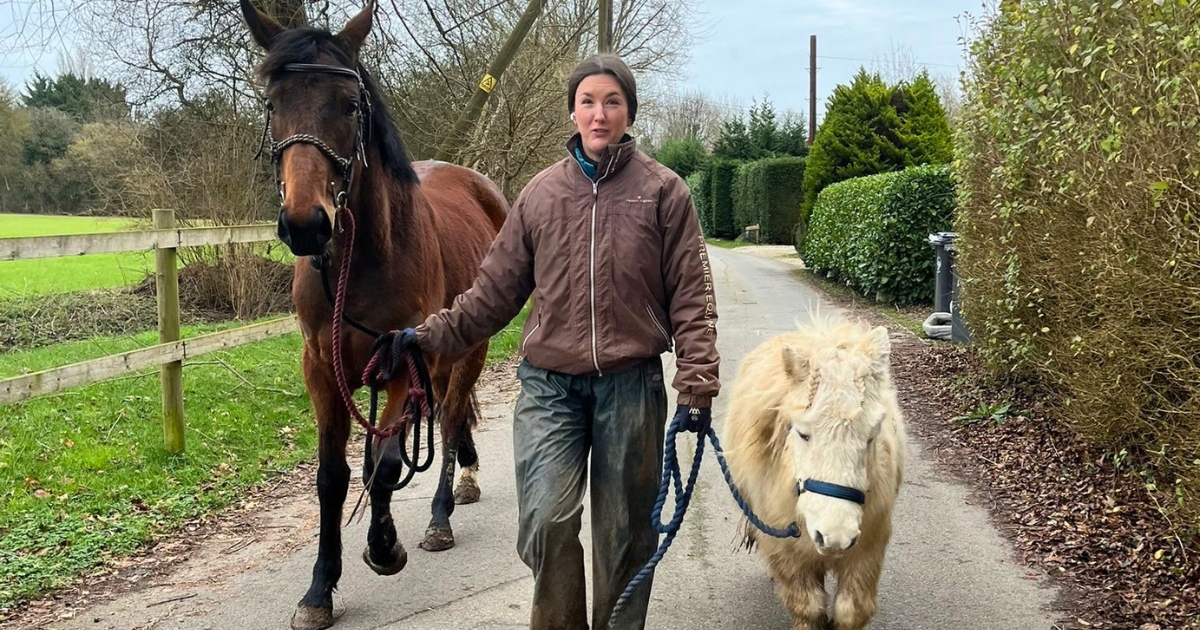
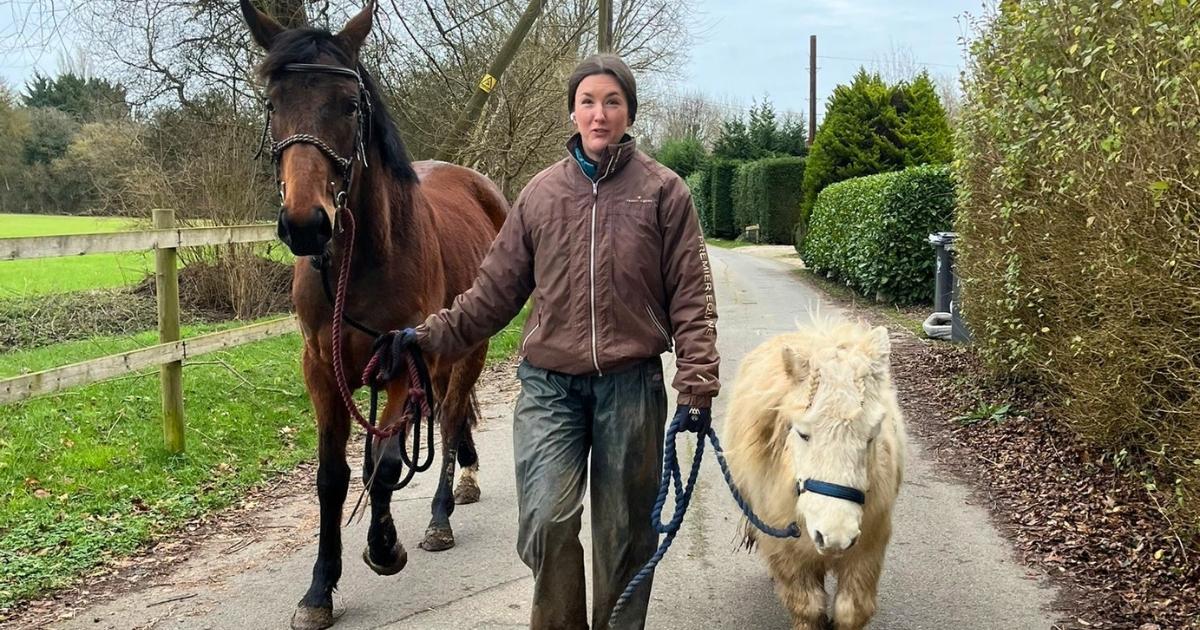
I wanted to be able to spend my days around my family, horses and dogs without constantly having to fit everything into evenings, weekends and annual leave.
And I knew I couldn't be the only woman who felt like that.
If you've ever wondered whether it's possible to start an online business from home, particularly when you have no previous experience, this is for you.
I'm going to explain the options, what I've learnt and what getting started actually involves.
Can You Really Start an Online Business With No Experience?
Yes. But that doesn't mean you can build a successful business without learning anything.
That's an important distinction.
You don't necessarily need a business degree, a marketing background or thousands of social media followers.
You do need to be willing to learn new skills, try things that feel unfamiliar and put consistent effort into building something.
When I started, I had to learn about:
Creating content that reaches the right people.
Understanding who I wanted to help.
Using social media to build connections.
Digital advertising and lead generation.
Building websites, landing pages and automated systems.
Having conversations with potential customers.
I didn't learn everything overnight.
I learnt one skill, then another, and gradually started putting the pieces together.
That's how most businesses are built.
What Are the Best Online Business Ideas for Beginners?
There isn't one online business model that's right for everyone.
The best option depends on your interests, the skills you already have, your budget and how you want your working day to look.
Here are four options worth understanding.
1. Freelancing or Online Services
If you already have experience in administration, marketing, bookkeeping, design or another professional skill, you could offer those services online.
For example, you might work as a virtual assistant, social media manager or freelance consultant.
The advantage is that you can start with skills you already have.
The limitation is that you're often still exchanging your time for money, particularly when you charge by the hour.
2. Selling Digital Products
Digital products include templates, guides, online courses and downloadable resources.
You create something once and can potentially sell it multiple times.
However, you still need to identify a genuine customer need, create a useful product and learn how to market it.
3. E-commerce
An online shop allows you to sell physical products.
You might make your own products, buy stock to resell or use a fulfilment partner.
There are opportunities here, but it's important to consider stock costs, delivery, returns, customer service and profit margins.
4. Affiliate Marketing
High-Ticket affiliate marketing is the business model I chose.
Instead of creating your own product, you partner with an existing company and earn a commission when a qualifying sale is made through your referral.
The company is responsible for providing the product, while your role is to learn how to market it and connect interested customers with the offer.
There are different types of affiliate marketing, including partnerships involving lower-priced products and higher-value products.
The commission structure, costs and responsibilities vary between programmes.
It's important to research any opportunity properly before deciding whether it's suitable for you.
Why I Chose High-Ticket Affiliate Marketing
For me, the appeal was being able to build an online business without developing my own physical product or managing stock.
I wanted something I could work on from home, around school runs, time at the yard and everything else that comes with everyday life.
That didn't mean I could simply set it up and expect money to appear.
I still had to learn how to market a product, generate enquiries, build systems and communicate with potential customers.
But those were skills I could develop.
And importantly, they were skills I could take forward and use in other areas of business too.
How Much Time Do You Need to Start an Online Business?
One of the biggest misconceptions is that you need to leave your job before starting.
You don't.
In fact, for many people, building something alongside existing employment is a more practical approach.
You might start with a few focused hours each week, depending on your commitments and the business model you choose.
What's important is being realistic.
An online business still needs time, attention and consistency. Some models require substantial ongoing work, and there is no guaranteed timeframe for earning an income.
If you're balancing children, work, animals and a household, you need a plan that fits your actual life rather than an unrealistic routine you'll abandon after a fortnight.
How Much Does It Cost to Start an Online Business?
That depends entirely on the business model.
Some service-based businesses can be started with relatively low costs if you already have the necessary equipment and skills.
Others involve software subscriptions, website hosting, training, advertising, products or partnership fees.
Affiliate marketing programmes also vary. Some are free to join, while others involve purchases or other financial investments.
Before spending money, I'd recommend understanding:
Exactly what you're paying for.
How commissions or revenue are generated.
What ongoing costs you might have.
What support and training are included.
Whether the business model fits your financial circumstances.
Never assume that investing money guarantees a return.
A good business decision should be based on understanding the opportunity, not feeling pressured to get started.
Five Steps to Starting an Online Business From Home
Step 1: Decide What You Actually Want
Before choosing a business, think about why you're doing it.
Is your goal to eventually reduce your working hours?
Have more flexibility around your children?
Spend more time with your horses?
Or develop another source of income alongside your existing job?
Your answer matters because different business models create different demands on your time.
Step 2: Research Your Options
Don't choose something simply because you've seen someone talking about it on Instagram.
Understand how the business makes money, what your responsibilities will be and what costs are involved.
Look at both the opportunities and the limitations.
Step 3: Learn the Skills
Whether you're freelancing, selling products or exploring affiliate marketing, you'll need to develop skills.
Marketing, communication, customer understanding and consistency are valuable across almost every online business.
You don't have to be brilliant at everything before you begin.
Step 4: Build Your Foundations
Depending on your chosen model, this might mean creating a website, setting up a professional social media presence, choosing the right software or building a way for potential customers to contact you.
Start with what you actually need.
You can improve and expand your systems as you learn.
Step 5: Be Consistent and Review What's Working
Starting an online business is one thing. Building a sustainable one is another.
You need to understand what's bringing people to your business, what isn't working and where to focus your efforts.
That takes patience.
You Don't Need Another Job That Takes You Away From Your Life
This is the part that matters most to me.
I didn't want to build another business that required me to be somewhere at a certain time every day.
I wanted more choice over how I spent my time.
The ability to go for a hack during the week, walk the dogs in daylight or be there for the school run without having to ask permission.
Of course, running your own business brings responsibilities, and flexibility doesn't mean you never have to work.
But having more control over when and where you work was something I wanted to build towards.
Two years on, I've learnt an enormous amount about digital marketing, affiliate partnerships, advertising and building an online business.
I'm still learning.
And that's probably the biggest thing I'd tell anyone who's at the beginning.
You don't have to know everything now.
You just need to understand your options and decide whether it's something you're prepared to learn.
Want to Understand How Affiliate Marketing Works?
If affiliate marketing is one of the options you're considering, I've put together a free 20-minute webclass explaining the business model I use, how I got started and what's involved.
It's designed to help you understand the opportunity before deciding whether you want to explore it further.
Watch my free webclass to learn more about building an online business around your life.
Kate Foks-Taylor
Online Business Mentor